The picture at the top of this post wasn't drawn by a designer, pulled from a stock library, or made in a separate app. It was generated inside an Octomind session, by the same tool this post is about, with one line: make a friendly octopus painting a glowing picture, purple and cyan poster style.
That's the whole idea. When a task needs an image or a short clip, your agent makes it where the work already is — and hands you back something you can keep and share, not a link that expires.

One tool, one contract
There's a single tool: generate_media. You ask in plain language — "make a hero image for this landing page," "turn this concept into a short clip" — and the agent calls it with a kind of image or video. One contract for the model to learn. (Audio generation is next.)
You choose a face, not a vendor. nano-banana-2 as the all-rounder, flux-2-pro for photorealism, ideogram-v3 for text inside the image, gpt-image-2 for strict instruction following; seedance-2, kling-2-master, and minimax-h3 for video. And the roster keeps growing — FLUX.2 alone comes in Pro, Flex, Max, and Klein variants, Seedance in Fast, Mini, and 2.5 flavors, Nano Banana in a Pro tier. Which provider runs underneath — and there are several — is our routing decision. We can swap it without touching your bill. You never see it, and you never have to.
What it actually makes
I made every image below with generate_media while writing this post — one plain-language prompt each, in a normal session, no retouching, no second tool.
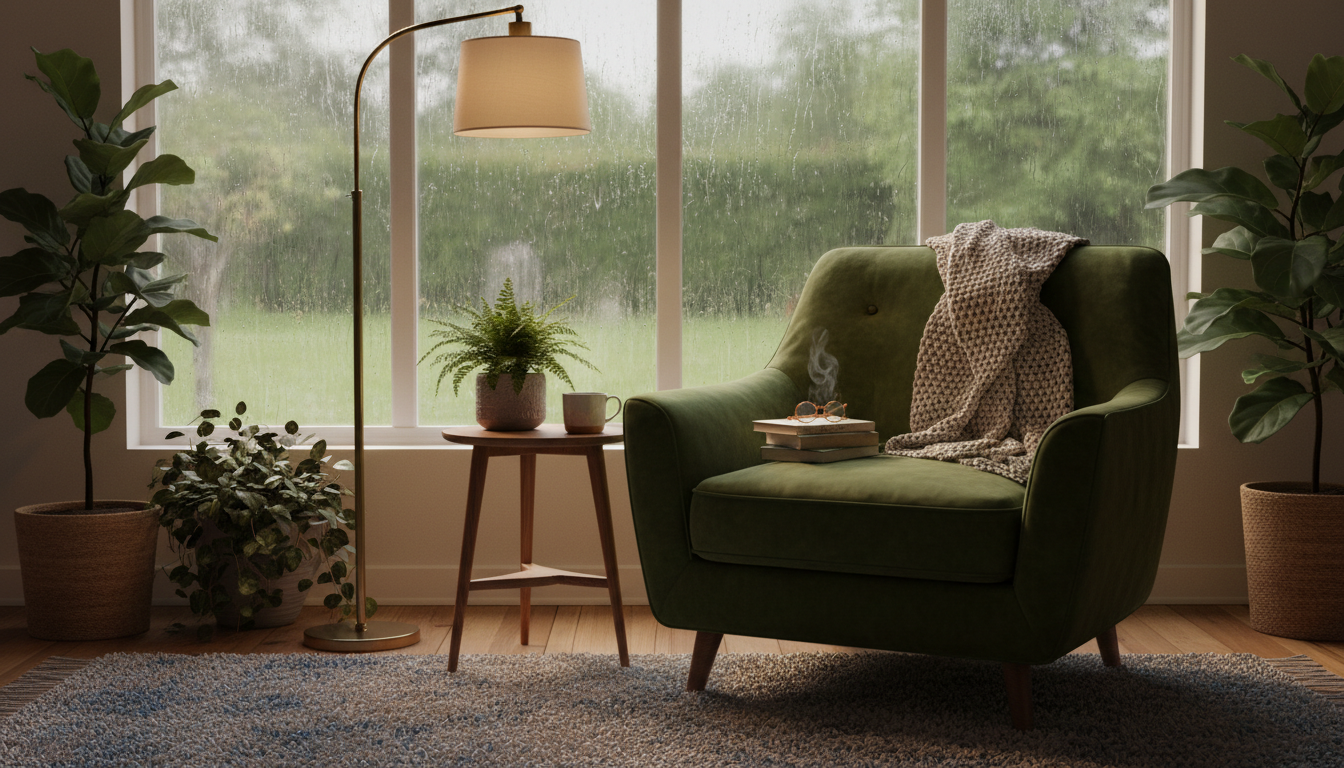
nano-banana-2, from "a cozy reading nook by a rain-streaked window, warm lamp light, potted plants, cinematic." The all-round default — photoreal scenes, and conversational edits of an image you already have.
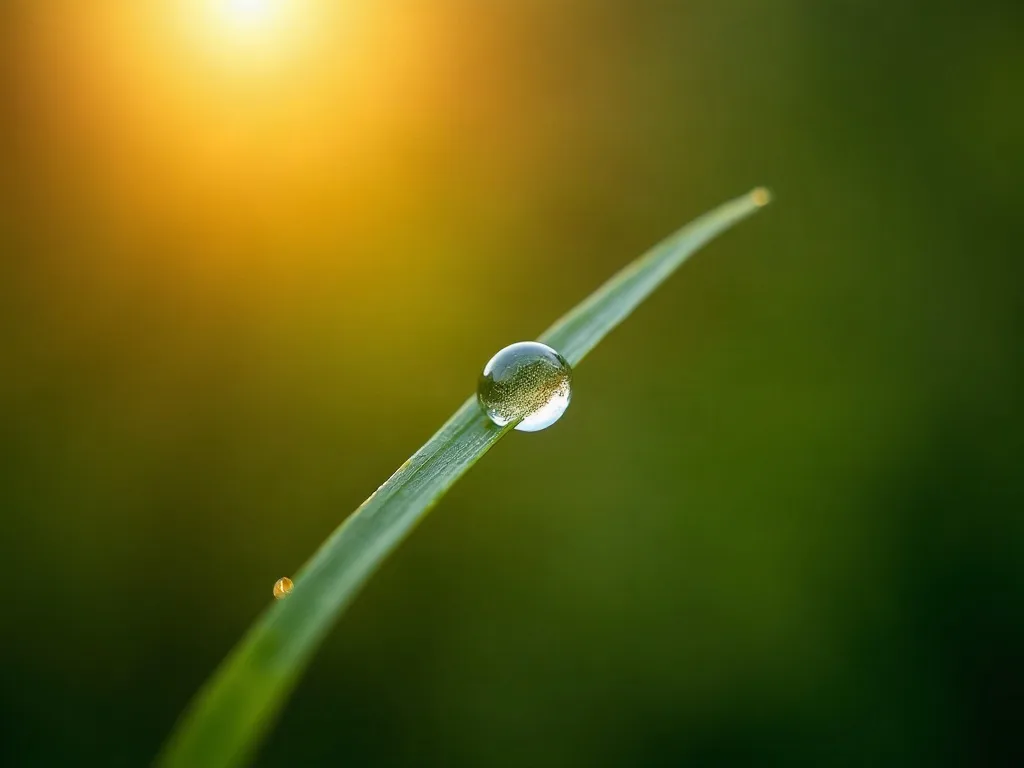
flux-2-pro, from "a photorealistic macro shot of a single dewdrop on a green leaf at sunrise, shallow depth of field." The photorealism workhorse.
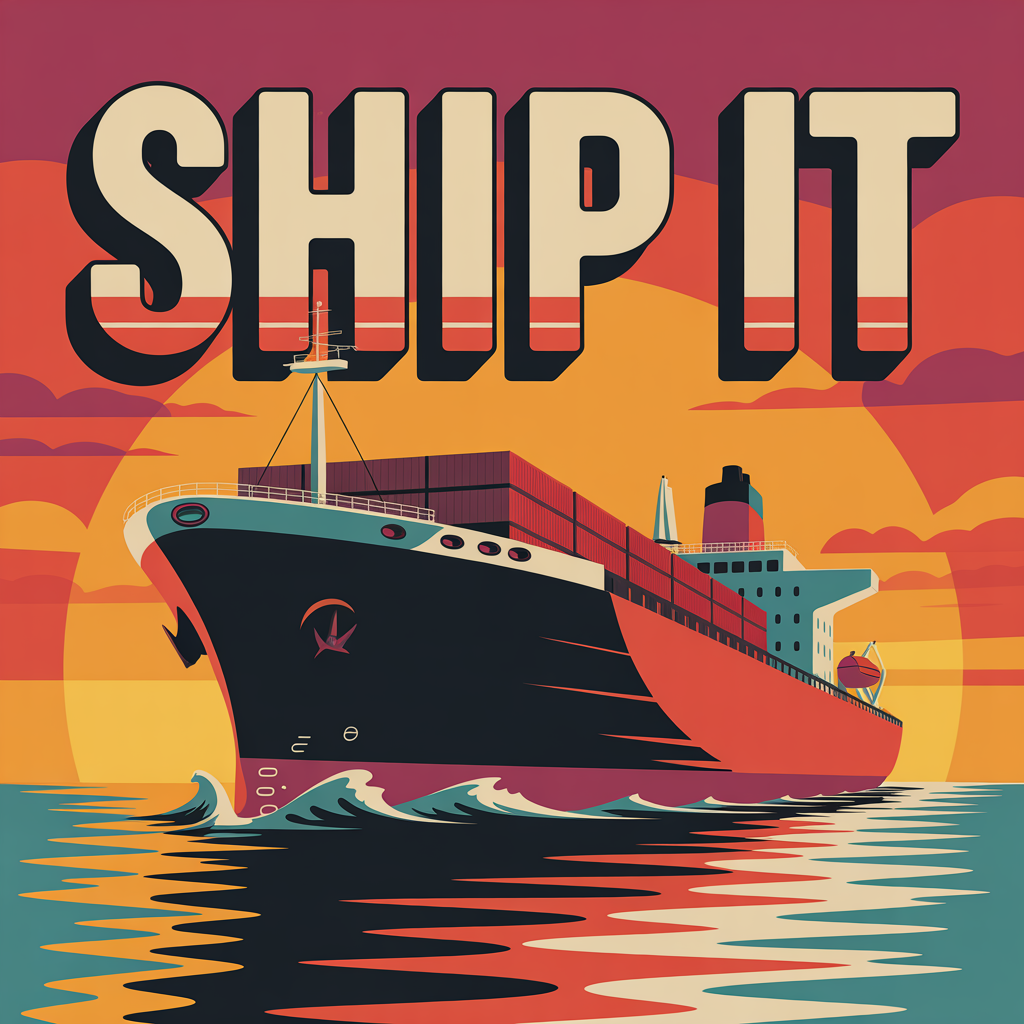
ideogram-v3, from "a bold retro travel poster with the large text SHIP IT, chunky 3D letters, sunset gradient." The face for text inside the image — posters, logos, typography — where general models smear the letters.
For motion, seedance-2, kling-2-master, and minimax-h3 take the same kind of prompt and return a short clip instead of a still.
It's kept, not dropped
Everything you generate is automatically saved as an artifact. Not a temporary file on a machine that will sleep in an hour, and not a URL on someone else's CDN that quietly stops working. It lands in your Artifacts, with a permanent home and a share link if you want one — the same durable store your agent already uses for reports and exports.
This matters more than it sounds. A generated image is usually valuable — it's the thing you asked for. Making you run a second "keep this" step, or watching it vanish when the machine goes idle, is exactly the friction we didn't want. So there's no second step: you ask, it generates, it's kept.
Priced like everything else here
Media generation bills the way the rest of Octomind does: a fixed, published price per image or per second of video, starting at $0.04 an image. No token math, no surprise multipliers, no per-vendor accounting leaking into your invoice. Swapping the engine underneath moves our margin, never your price.
It's on every paid plan, and anyone with prepaid credits can use it too: subscribers draw from the plan's usage allowance, everyone else bills against credits. Generation costs real money per call, so it isn't part of the free tier.
Where it fits
The agent generates on request, not to decorate — when a request is ambiguous, the tool is written to ask before it spends. But when you do want an asset, it's one turn away: a placeholder image for a mockup, a diagram rendered from a spec, a short clip for a demo. It shows up in the chat, it's in your Artifacts, and it's all the same session — same machine, same files as the rest of your work.
Ask for a picture. Get a picture. That's it.
Try it
Next time you need an asset, don't open another tab — ask: "make a hero image for this landing page, lighthouse at dawn, cinematic." It shows up in the chat, lands in your Artifacts, and stays there.
Available on every paid plan and on prepaid credits. Faces and current prices are on the models page.
Every image in this post was generated by the feature it describes.